

Start with the essentials: Review the SoftRevel Bridal Lingerie Guide, then use this checklist for fittings and the wedding day.
Bridal lingerie has more than one job. The piece worn beneath a wedding dress may need to stay invisible and support the dress construction, while getting-ready and honeymoon styles can focus more on texture, colour and celebration. Choosing each piece for its moment makes the process simpler.
Begin with the dress, not the lingerie
Wait until the dress shape and fabric are confirmed before buying foundation pieces. A structured gown may provide much of its own support, while a lightweight or fitted fabric can reveal seams and texture. Bring any potential wedding-day lingerie to a fitting so the tailor can assess the full silhouette.
Consider neckline, back height, fabric opacity and where the dress sits at the waist. The most beautiful lace set may be perfect for later in the day but unsuitable under a smooth satin bodice. Function comes first for the ceremony layer.
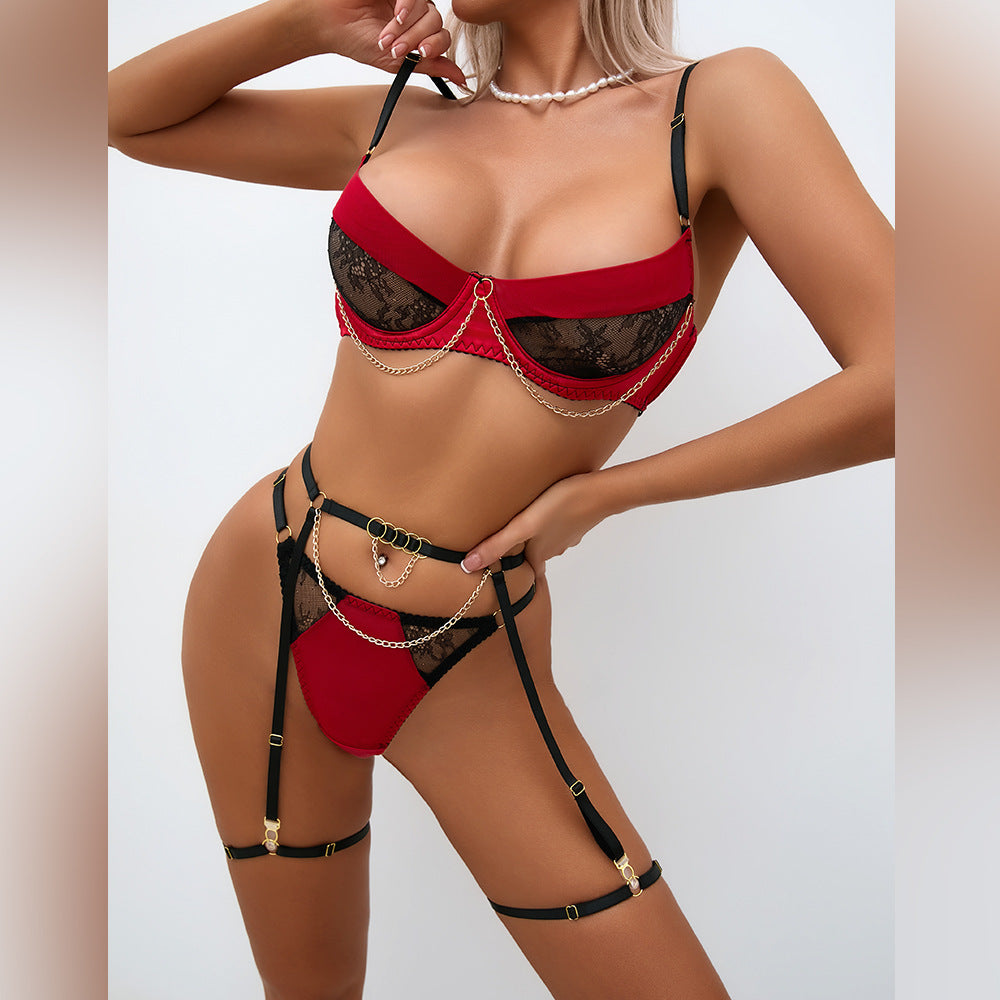
Match the lingerie to the dress silhouette
Strapless or off-shoulder dresses
Look for a supportive strapless solution with a secure band. The band should remain level when you move, sit and raise your arms. If the dress has internal corsetry, ask the fitter whether an additional bra is needed at all.
Low-back dresses
Check the exact back depth during a fitting. A low-back bodysuit or specialist converter may work, but the dress construction and required support determine the best option.
Fitted or sheer fabrics
Smooth finishes and minimal seams are usually easier to conceal. Choose a shade close to your skin tone rather than automatically choosing white, which can remain visible beneath some light fabrics.
Comfort matters through the whole day
A wedding day involves sitting, walking, eating, dancing and many hours of wear. Test the complete outfit at home for a meaningful period. Check that closures do not press, straps stay in place and the garment remains comfortable when you sit. Pack a simple backup option if the main piece is highly structured.
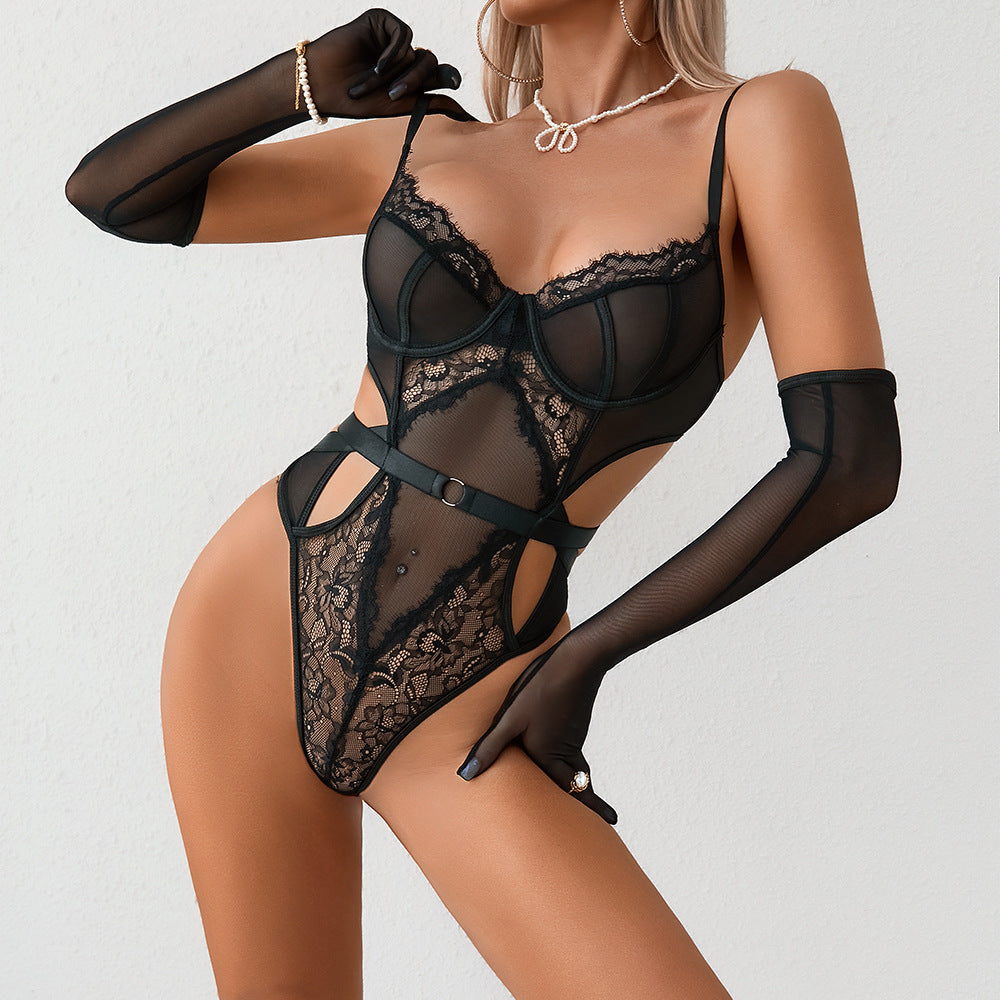
Getting-ready and honeymoon styles
These pieces do not need to disappear beneath the dress, so they can express more personality. A coordinated lace set photographs beautifully while getting ready, and a bodysuit can be styled later with trousers or a jacket. Ivory is traditional, but blush, black, red or burgundy may feel more personal.
Browse lingerie sets for coordinated options or explore bodysuits for a versatile piece that can become part of your wardrobe after the wedding.
A simple bridal lingerie timeline
- After choosing the dress: discuss support and seam placement with the boutique or tailor.
- Before the first major fitting: choose the likely wedding-day foundation.
- During fittings: bring shoes and lingerie so alterations reflect the full outfit.
- Two weeks before: inspect closures, gently wash if needed and pack a backup.
- After the wedding: clean each piece according to its label before storing it.
What to bring to a dress fitting
Bring the exact foundation garment you are most likely to wear, along with your wedding shoes or shoes of the same height. Ask the fitter to check the neckline, back and side seams in natural light and while you move. Photograph the fit from several angles if the boutique allows it; details that seem invisible in a mirror can appear differently in photographs.
Also ask whether sewn-in cups, additional lining or small dress alterations could provide a cleaner result than adding another layer underneath. The simplest solution is often the most comfortable. Keep all labels attached to new lingerie until the fitting confirms that it works with the dress.
Prepare a small wedding-day kit with spare fashion tape where appropriate, a clean backup piece and a breathable pouch for changing. Planning these details early lets the lingerie support the day rather than becoming another decision on the morning itself.
Wear the complete combination once before the final fitting and again before the wedding. This gives you time to notice pressure points, visible edges or closures that are difficult to manage alone. Comfort discovered in advance is far easier to solve than discomfort discovered after the dress is on.
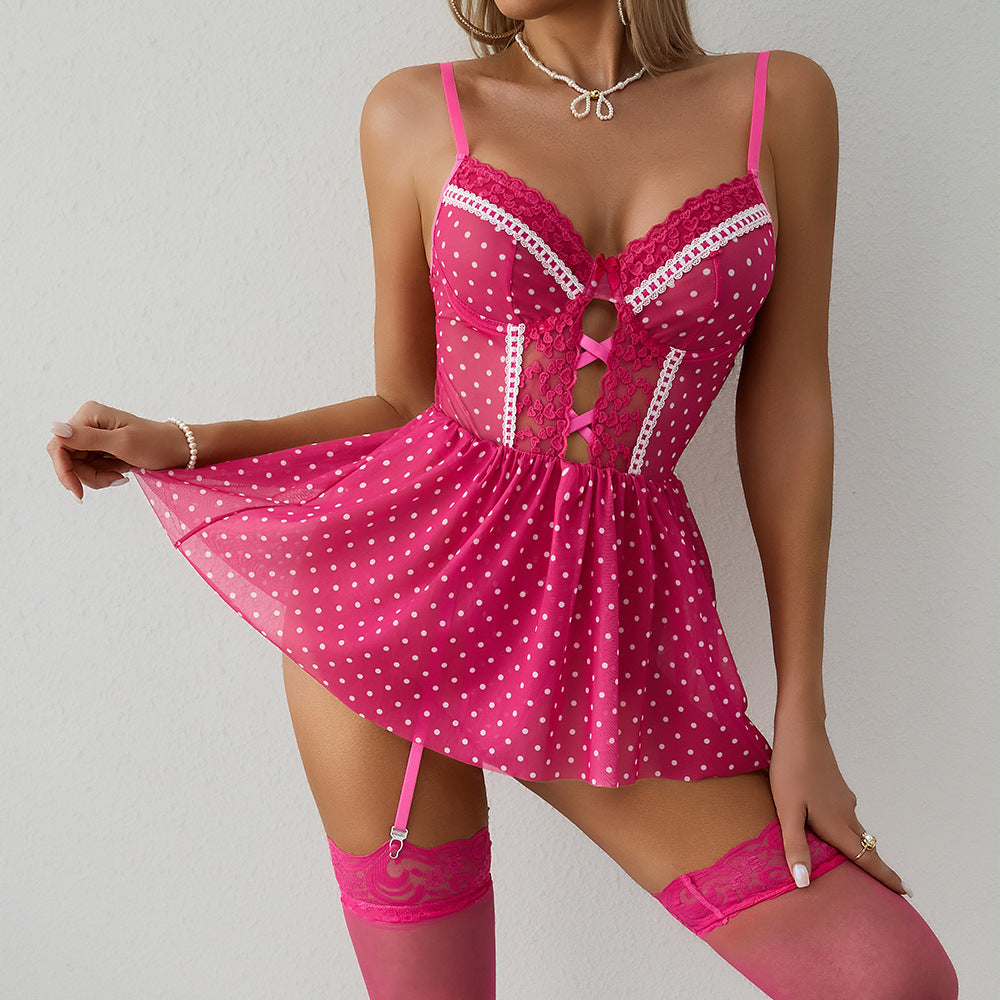
Frequently asked questions
Does bridal lingerie have to be white?
No. The best colour is the one that works under the dress or reflects your personal style. A skin-tone foundation is often less visible beneath light fabric.
When should I buy wedding lingerie?
Choose the main foundation after the dress is selected and before key fittings. Decorative getting-ready or honeymoon pieces can be chosen later.
Should I wear shapewear under my wedding dress?
Only if it makes you feel comfortable and works with the dress. Shapewear is optional, and many structured dresses already provide support.

