

The most useful lingerie advice does not tell one body shape what it is “allowed” to wear. A better approach begins with fit, comfort and the effect you want from the garment. Your proportions can help explain why one cut feels different from another, but personal preference should make the final decision.
Start with what you want the piece to do
Ask where and how you plan to wear it. Everyday lingerie may prioritise softness and easy movement. A piece worn under a fitted outfit may need smooth seams. A bodysuit intended for styling can focus on neckline, coverage and how it sits with trousers or a skirt.
Write down two or three priorities such as “light support, full back coverage and adjustable straps.” This is more useful than shopping only by a named body category.
Measure for the garment you are buying
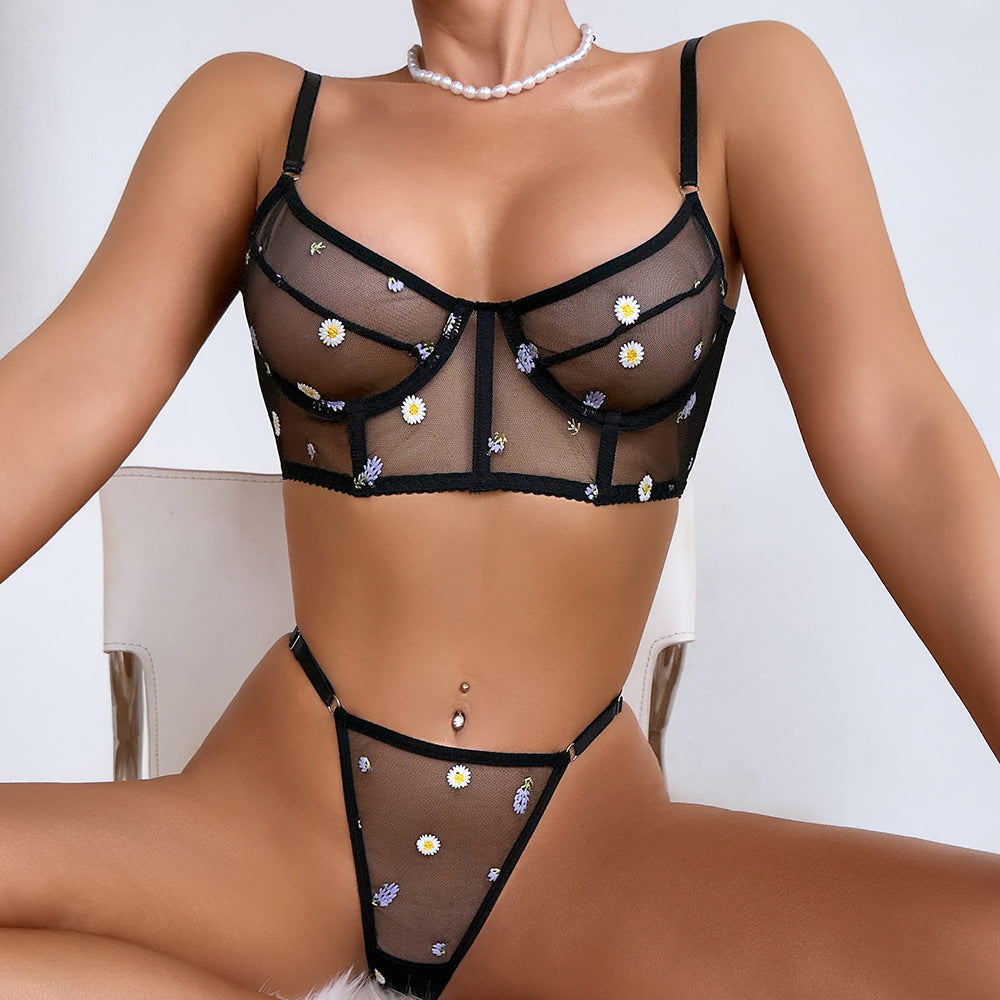
Use a soft tape measure and follow the size chart for the specific product. Keep the tape level and close to the body without pulling it tight. For bras and structured sets, underbust and fullest-bust measurements are useful. For bodysuits, waist, hip and torso length can all affect comfort.
If you fall between sizes, use the garment's stretch and coverage notes to decide. A highly flexible lace piece may accommodate more variation, while firm fabric or structured cups may require a more precise size.
Choose support and coverage intentionally
For lighter support
Soft cups, stretch lace and wireless silhouettes allow natural movement. They work well when comfort and flexibility matter more than shaping.
For more defined support
Look for a secure band, adjustable straps, structured seams or underwire where preferred. Support should feel stable, not restrictive.
For adjustable coverage
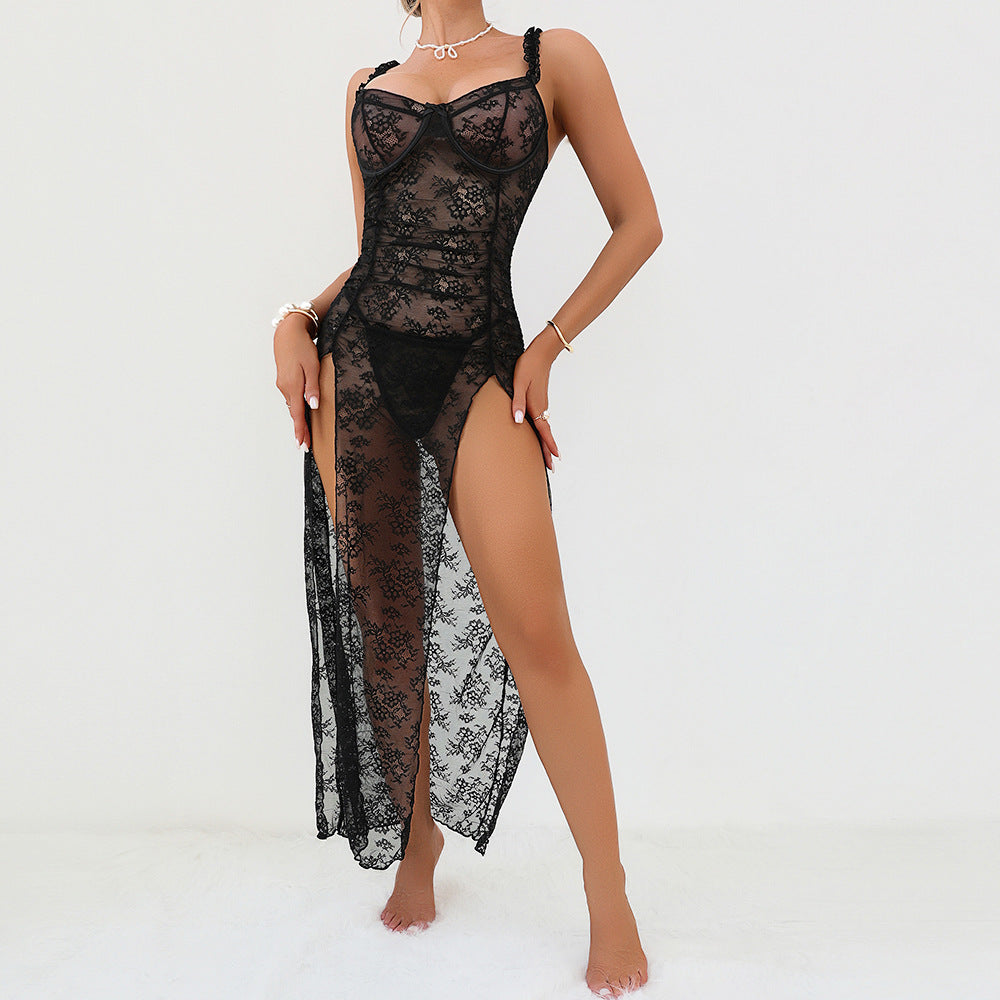
Consider cup height, neckline, back shape and the width of side panels. Coverage is a preference, not a rule tied to body size.
Think about proportion without limiting yourself
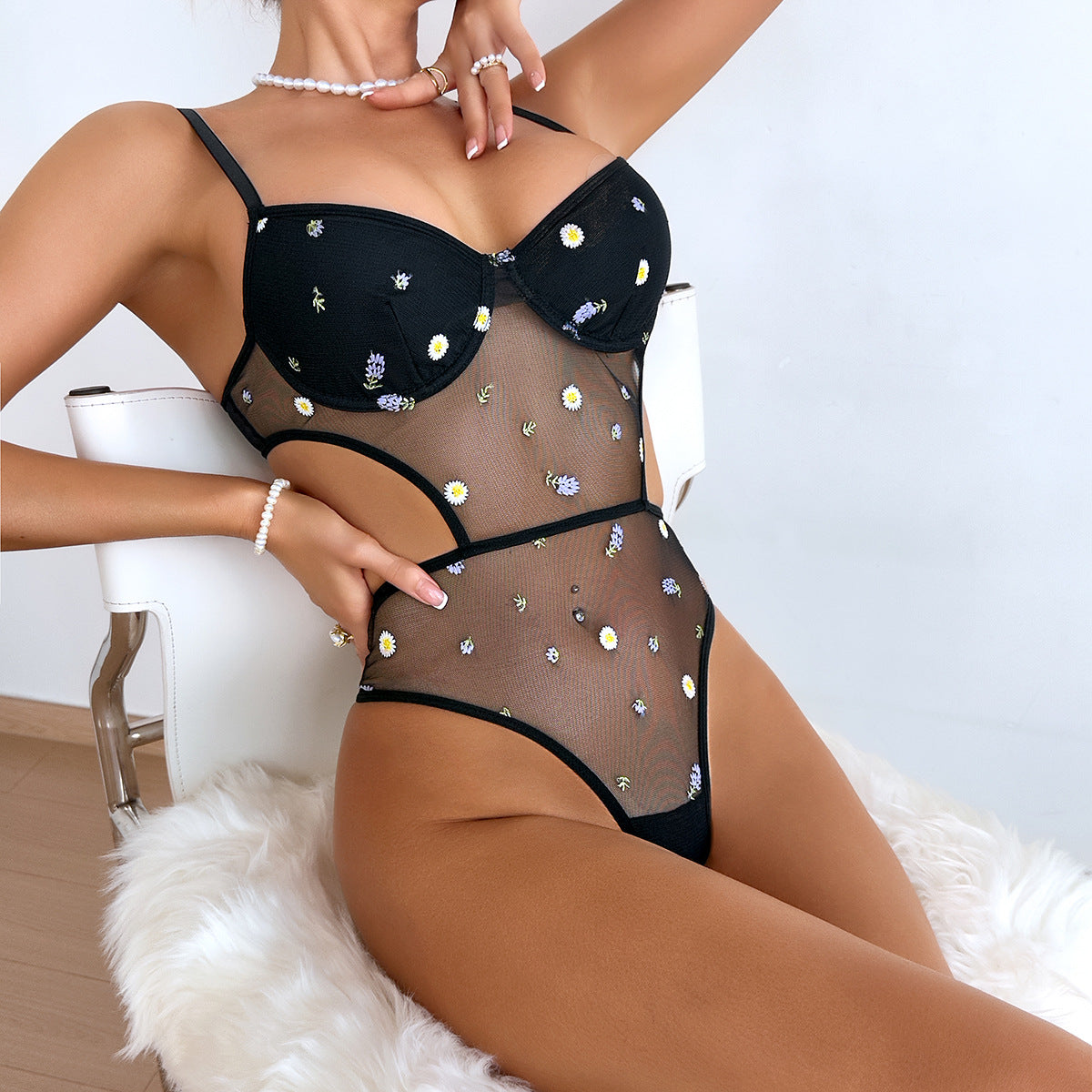
Torso length can be especially important for bodysuits. If a bodysuit pulls at the shoulder or closure, the issue may be length rather than width. Adjustable straps and multiple closure positions can help. Explore the bodysuits collection and check each product's measurements before choosing.
If you want to emphasise the waist, look for seaming, belts or contrast panels. If you prefer an uninterrupted line, choose simpler construction and tonal details. Neither effect is inherently more flattering; the right choice is the one that matches how you want the outfit to look.
Use fabric to shape the experience
- Stretch lace: decorative, flexible and easy to layer when softly lined.
- Mesh: lightweight and breathable, with stretch varying by construction.
- Satin: smooth and fluid but often less flexible than mesh or stretch lace.
- Structured panels: create definition and may require more precise measurements.
Check lining and seam placement if your skin is sensitive. A fabric can look delicate while still providing useful structure.
A simple fitting-room check
Move naturally. Sit, bend and lift your arms. Check that the band stays level, straps remain in place and closures do not press. The garment should support the intended areas without creating pain, numbness or constant adjustment. If it does not feel right, try another size or silhouette rather than blaming your body.
Browse lingerie sets to compare several constructions, and keep notes about the details that consistently work for you.
Build a small, useful lingerie wardrobe
Start with the situations that repeat in your life. One comfortable everyday set, one smooth option for fitted clothing and one expressive piece for styling or styling moments can be more useful than a crowded drawer of similar items. Add only when a new piece solves a clear need or genuinely brings you joy.
Colour can help the wardrobe work together. A small base of neutrals makes mixing easier, while one or two accent colours add personality. Matching every item is optional; consistency in comfort and care requirements may matter more than perfect coordination.
Finally, leave enough space to store each piece without crushing it. A thoughtful wardrobe is easier to see, easier to care for and easier to wear. Choosing less but choosing with accurate measurements often produces a better experience than buying around a rigid idea of what should be flattering.
Frequently asked questions
Which lingerie is best for my body shape?
The best option depends on your preferred support, coverage, fabric and styling goal. Body shape can inform fit, but it should not restrict your choices.
How do I know whether a bodysuit is too short?
Persistent pulling at the shoulders or closure can indicate insufficient torso length. Check the product measurements and look for adjustable straps or closures.
Should lingerie feel tight at first?
It should feel secure but not painful. Do not rely on a piece stretching enough to fix digging, restricted breathing or an incorrect cup shape.

