

Looking for the short version? Use the SoftRevel Lingerie Care Guide as a quick checklist.
Delicate lingerie combines fine fabric, elastic, hardware and carefully shaped construction. Treating every piece like an ordinary T-shirt can stretch straps, distort cups or snag lace. A gentle routine does not need to be complicated; the goal is simply to reduce heat, friction and harsh chemicals.
Read the care label first
The garment label should always take priority because fabric blends and construction vary. Separate light and dark colours, fasten hooks and remove any detachable accessories before washing. If a piece includes underwire, moulded cups, embroidery or fine lace, hand washing is usually the safest option.
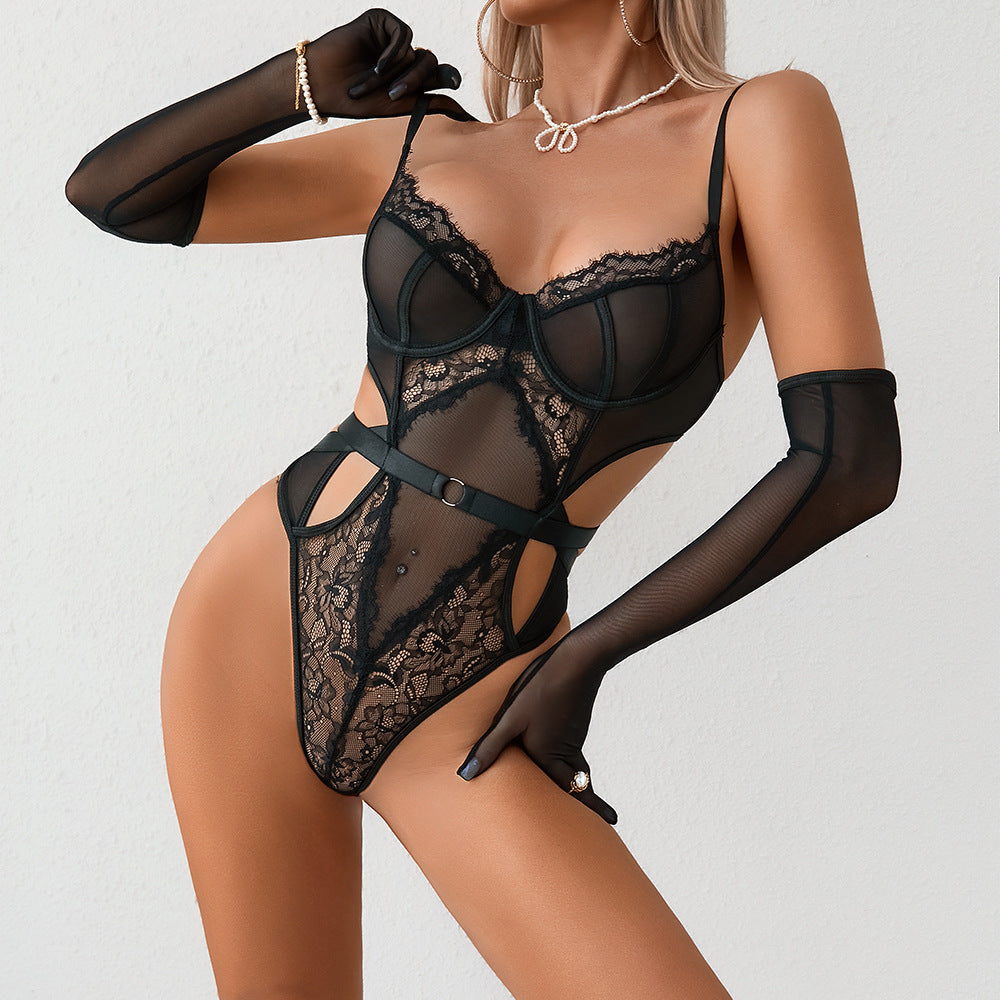
How to hand wash lingerie
- Fill a clean basin with cool or lukewarm water.
- Add a small amount of mild detergent designed for delicate fabrics.
- Submerge the garment and move it gently through the water. Avoid rubbing lace against itself.
- Allow it to soak briefly, then rinse with cool water until no detergent remains.
- Support the full garment when lifting it from the water so wet fabric does not stretch.
Do not wring or twist the piece. Place it flat on a clean towel, roll the towel gently to absorb excess water, then reshape the garment before drying.
When machine washing is suitable
If the care label allows machine washing, use a mesh laundry bag and the gentlest cycle available. Fasten hooks so they cannot catch on lace, wash similar colours together and avoid loading the machine with heavy items such as towels or denim. Cool water and a low-spin setting reduce stress on elastic.
Bras with moulded cups or underwire are better hand washed because repeated tumbling can change their shape. A laundry bag protects against snagging, but it cannot remove all the pressure created by a full machine cycle.

Drying without damaging the shape
Heat is one of the quickest ways to weaken elastic, so skip the tumble dryer unless the care label specifically permits it. Lay structured pieces flat on a dry towel or drying rack. Lightweight items may be hung from their strongest point, but avoid hanging a wet bra by one strap because the weight can stretch it unevenly.
Dry away from direct sunlight and radiators. Before storing, make sure the garment is fully dry, including padded areas and seams where moisture can remain longer.
How to store bras, bodysuits and sets
- Moulded bras: nest cups inside one another without folding one cup into the other.
- Lace sets: keep matching pieces together in a breathable fabric pouch.
- Bodysuits: fasten closures, fold straps inward and lay flat to prevent tangling.
- Stockings and garters: store separately from sharp hooks or jewellery.
A drawer divider makes it easier to see what you own and reduces the need to pull pieces from a compressed pile. Browse the lingerie sets collection for coordinated styles that can be stored together.
Care notes for common lingerie fabrics
Lace should be kept away from rough surfaces and jewellery because its open structure can catch easily. Mesh is lightweight but may include very fine elastic fibres, so cool water and minimal rubbing are important. Satin benefits from gentle handling to prevent water marks or a dulled surface, while embroidered pieces should be washed inside a laundry bag even when washing by hand.
Hardware deserves attention too. Check hooks, rings and sliders before washing, and fasten closures so they cannot snag neighbouring fabric. If a decorative element is removable, store it separately during washing and reattach it only when the garment is completely dry.
When travelling, use a breathable pouch and give moulded cups enough space to keep their shape. Unpack lingerie when you arrive rather than leaving it compressed in a suitcase.

Common care mistakes to avoid
Avoid fabric softener because it can coat fibres and affect stretch. Do not use bleach on lace or coloured pieces. Washing too frequently can shorten the life of elastic, but waiting too long allows body oils and products to build up, so rotate between several pieces and wash according to wear and activity.
Frequently asked questions
Can lingerie go in the washing machine?
Some pieces can when the care label permits it. Use a laundry bag, cool water and a delicate cycle, but hand wash structured bras, underwire and intricate lace whenever possible.
Can I dry lingerie on a radiator?
Direct heat can weaken elastic and affect shape. Air dry at room temperature away from radiators and strong sunlight.
How often should lingerie be washed?
It depends on the garment and how it was worn. Pieces in direct contact with the body usually need washing after each wear, while bras can often be rotated and washed after several light wears.
Reference
Garment-specific instructions take priority. See the US Federal Trade Commission Care Labeling Rule for background on clothing care labels.

